Mental Performance Coach: How Mike Torchia Trains the Mind First
Mike Torchia and Larry Gaiters on what a mental performance coach actually does: attention inside the set, fear after injury, sleep, and the Bourne prep.
You train three mornings a week. You eat clean most of the time. And still the lift that should feel easy feels heavy, the knee you rehabbed two years ago still gets babied, and you lie awake at two in the morning running tomorrow’s meeting. The body is doing its part. Something upstream of the body is not.
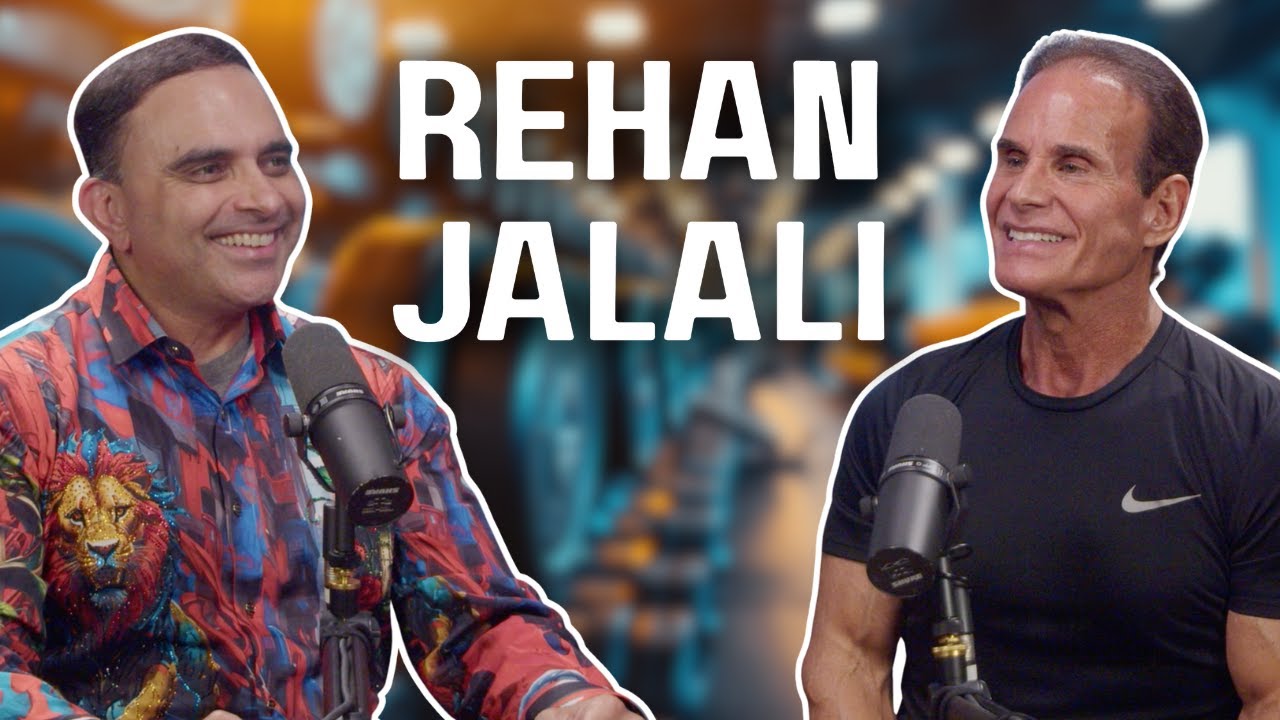
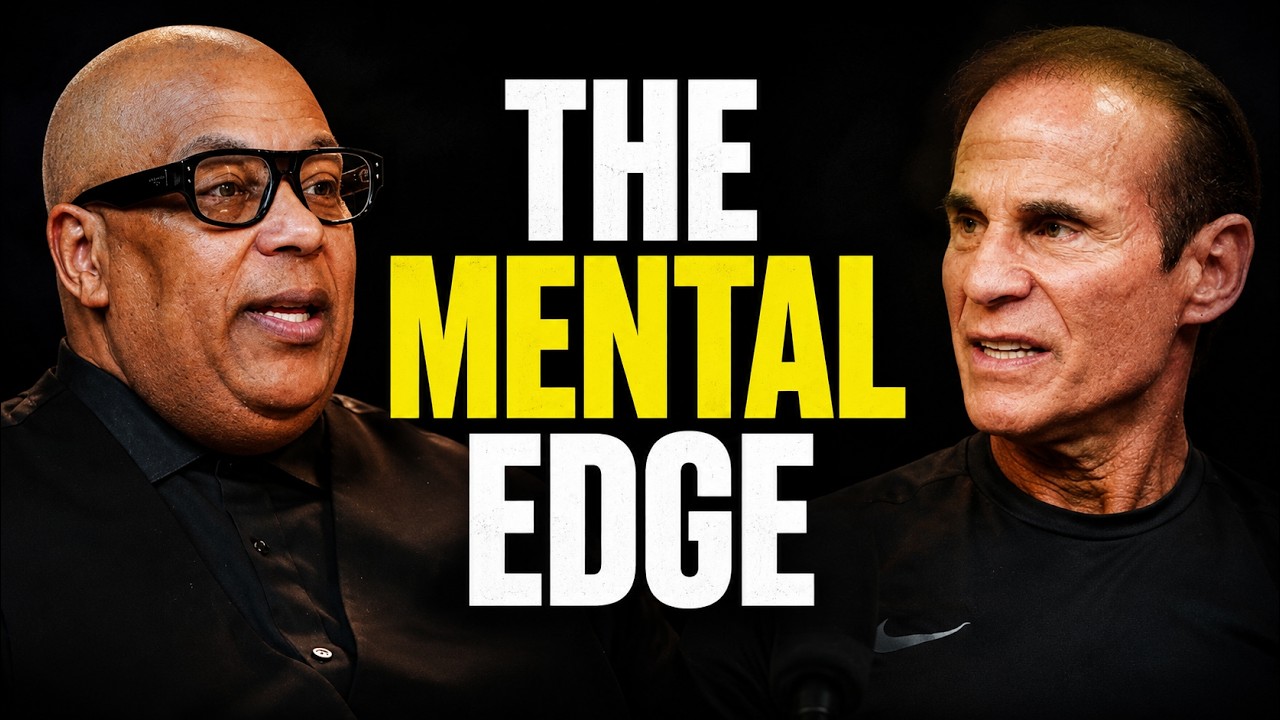
That upstream problem is the work of a mental performance coach, and the work is older than the job title. On the August 5, 2026 episode of Live Well and Thrive, Mike Torchia sat down with Larry Gaiters, a radio host and author who is writing a book about Kobe Bryant, and the conversation kept returning to one idea: the mind is trained the same way the body is, and the people who skip that part pay for it.
This post pulls the practical material out of that episode. What a mental performance coach does inside a workout, inside a rehab, and inside your bedroom at night. What Mike did for two actors whose problem was not their bodies. And how that work fits into a real program.
What a mental performance coach actually does
Mike’s term for the mind is the master computer. His point on the episode was that a traumatic event, an injury, a loss, a public failure, damages that computer the way a torn tendon damages a leg, and almost nobody rehabs it. They get the physical therapy, they get a prescription, and they go back out running the same software.
Gaiters came at it from the other direction. He described neuroplasticity as the brain taking the shape of whatever a person is thinking at that moment, and he drew a line between pain and trauma that is worth keeping.
Trauma is not what happens to you. Trauma is what happens inside you as a result of what happened to you.
Mike’s view is that athletes should have someone to do this work with them, and that most will not see a psychologist because of what they think it says about them. Give the role a different name, he said, and have that person walk through everything in the body with them. That is the gap a mental performance coach fills. Not therapy, and not a pep talk, but attention applied to how a person thinks while they train, recover, and sleep.
He has been collecting evidence for this since New York. Mike told Gaiters about asking Bruce Silverglade, who ran Gleason’s Gym in Brooklyn, whether he would rather have a fighter with animal endurance and a knockout punch or one with a strong mind. Silverglade’s answer, as Mike recalled it, was mental ability. Gaiters added his own examples: in his telling, what set Kobe Bryant and Michael Jordan apart from everyone else was mentality, not talent.
Mental training for athletes starts inside the set
The most concrete piece of the episode is a rule Mike has used since he trained Wall Street executives in New York. When a client’s attention drifts to a noon meeting in the middle of a set, he stops the exercise. Your thought is the nerve impulse, he explained. Think about the meeting and you divert the signal that was supposed to contract the muscle.
Train chest, think chest.
He described his own curls the same way. He thinks about the bicep and what he wants it to look like, nothing else, because in his view the signal to contract is only as strong as the attention behind it. You can test this on your next set. Pick one muscle, put your whole mind on it for the whole set, and notice what changes.
One executive came to him overweight and not feeling good about himself. Mike’s pitch was the body first: a tighter waist, a harder chest, walking into a room and owning it again the way he did at 20. What the man said afterward, in Mike’s telling, was that Mike had reset the way he thought about his life, not only his body. That is how mental training for athletes works for people who are not athletes. The work on the body is where the change in thinking gets practiced.
Fear is the injury that outlasts the injury
Mike has spent years around people coming back from knee and hip replacements, and he described a pattern. The patient tells the therapist the knee will not bend any further. Then someone has them lie back with a pillow under the neck, breathe, and let go, and the knee comes all the way to the chest. The range was there. The mind was holding it.
It wasn’t a pressure point. It was just that in your head, you were the pressure point.
He told a similar story about a friend with a repaired Achilles rupture who had full range of motion on the table and was still limping, afraid to load the left foot. Two minutes of soft tissue work on the calf and a push to put weight on it, and the friend walked off talking about going dancing. Mike’s explanation is not that the hands-on work was magic. It is that the person needed permission to stop guarding.
His rule for anyone rehabbing: work on the psychological pattern at the same time as the joint, because the default is to baby the part forever. Athletes who only see the physical therapist, in his view, come back with healed tissue and an unhealed habit of protecting it. This is where mental toughness training actually lives for most people over 45. Not in grinding through pain, but in unlearning the flinch after the pain is gone.
Two actors, two different mental jobs
Mike trained Matt Damon for The Bourne Identity. He went on the road with him for months, through France, Berlin, and Prague. Damon looked the part before the mind work started, Mike said. What he did not have yet was the way a man like Jason Bourne carries himself into a room.
Mike made me feel like I could walk through walls, that I could walk into a room and kick everybody’s butt.
That is what Damon told him afterward, in Mike’s recounting, and it is a plain description of a mental performance coach’s output. The workouts were built to make him feel like a warrior, and the talk during them was built to make him believe it: look at yourself in the mirror, you are powerful, you are Jason. Mike calls it setting the mind pattern. The muscle follows the pattern.
Al Pacino’s job was the opposite. Before Insomnia, Pacino had a scene chasing Robin Williams through the woods, and he told Mike he was afraid to run after getting hurt on an earlier film. Mike’s task was not to make him fitter. It was to remove the fear of the movement so he could sprint on camera, and Mike said he broke him out of it by clearing the pathway that was restricting him. Later Pacino hired him back for a different reason: not a role this time, but staying healthy for his own life. The goal changed from a part to a lifetime, and the program changed with it.
Sleep is mental toughness training too
Mike is almost 70 and says he sleeps eight to nine hours a night, which he attributes to a protocol that starts at seven in the evening: a cool house, dim lights, no phone, no news, and one childhood memory to walk into as he brushes his teeth. The mental half of that routine is the part a mental performance coach adds, because whatever you watch, you replay in your sleep. The full routine, step by step and with his reasoning for each step, is in how to fall asleep faster.
How this fits the way Operation Fitness works
Mike took so many philosophy and psychology courses in college that his academic advisor remarked on it, and he said on the episode that he needed them to understand the body. That shows up in how a program starts. His intake asks what your childhood was like, whether you played sports or music, what your family was like. Not out of curiosity, he said, but because he wants to know where a person’s patterns came from before he builds a plan around them.
It also shows up in the first three weeks. Mike cited his professors for the idea that a habit forms in 21 days, so his clients start with 21 days of clean eating and daily training to lay down new patterns before anything gets optimized. The body is the architect’s first draft; the mind decides whether the building stands. Every program is designed by Mike and delivered by his team, and every one starts with assessment rather than assumption: tested, not guessed. A mental performance coach is not a separate hire in that model. It is part of what the architect does. You can read how Mike got here on his page.
Where to go from here
Watch the full episode with Larry Gaiters on YouTube. Read about Mike Torchia, the forty years behind the method, and the people he has prepared. If you want to talk through where your own head is getting in the way of your body, book a consultation.
QUESTIONS PEOPLE ASK
What does a mental performance coach do?
On the episode, Mike Torchia describes the work as rehabbing the mind alongside the body: directing attention during a set, removing the fear that lingers after an injury heals, and resetting the hours before sleep. It is not therapy and not motivation. It is coaching how a person thinks while they train, recover, and rest, built into the physical program rather than bolted on.
Is a mental performance coach the same as a sports psychologist?
No. Mike's view on the episode is that many athletes will not see a psychologist because of what they believe it says about them, so the role needs a different name and a different setting. A mental performance coach works inside the training itself, in the gym and the rehab room, not in a clinical office. A licensed psychologist treats diagnosed conditions; this work does not.
How long does it take to change a mental habit?
Mike cites his university professors for the idea that a habit, good or bad, forms in about 21 days. That is why his clients begin with 21 days of clean eating and daily training before anything gets fine-tuned: the goal of the first three weeks is a new pattern of thinking, not a number on the scale. Treat the figure as his working rule, not a clinical finding.
Can mental training help with recovery after surgery or injury?
Mike's experience is that it often decides the outcome. He described knee-replacement patients who could not bend the joint until they lay back, breathed, and let go, and a friend who limped on a fully repaired Achilles out of fear. His rule is to rehab the psychological pattern at the same time as the tissue. Ask your surgeon or physical therapist before changing any rehab plan.
What is the mind muscle connection?
Mike's version on the episode: the signal that contracts a muscle is a nerve impulse, and your thought is that impulse. When he curls, he thinks only about the bicep and what he wants it to look like. Think about a noon meeting mid-set and you divert the signal. His rule from training Wall Street executives was train chest, think chest, and he stopped the set whenever a client's mind wandered.
How long do tendons take to heal?
Mike gives no number on the episode, only a warning. Tendons and ligaments take a long time to heal, he says, and a torn one is like a rubber band: tie it back together and it is never the same. Being out of pain is not the same as being healed. A tendon tear that changes your gait, in his view, shifts the spine all the way up to the neck. Ask your physician about your own timeline.
KEEP READING