How to Get a Smaller Waist: Mike Torchia's Golden Era Ab Rules
How to get a smaller waist the old way: Mike Torchia and Robby Robinson on weighted ab work, side bends, and hanging leg raises, and what they do instead.
Your shirts still fit through the chest. It is the waistband that has changed. You have been doing more ab work to fix it, maybe a plate on your chest for sit-ups or a dumbbell in one hand for side bends, and the waist has not come down.
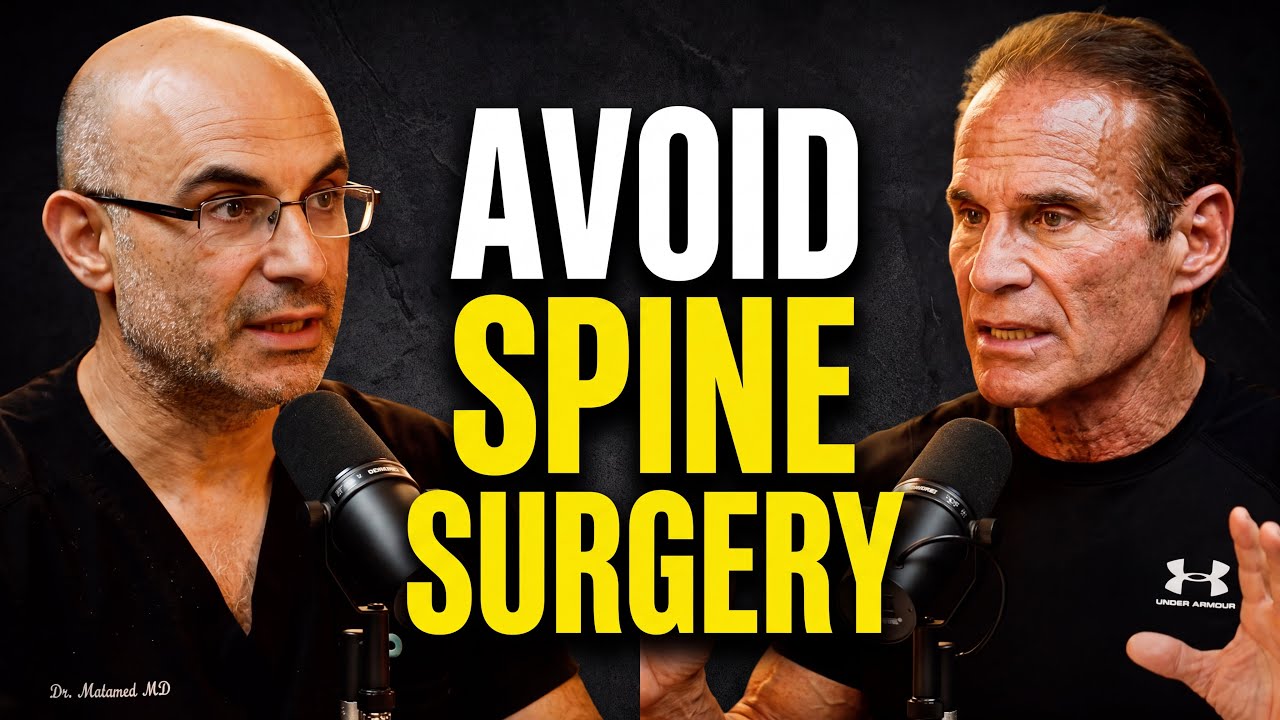
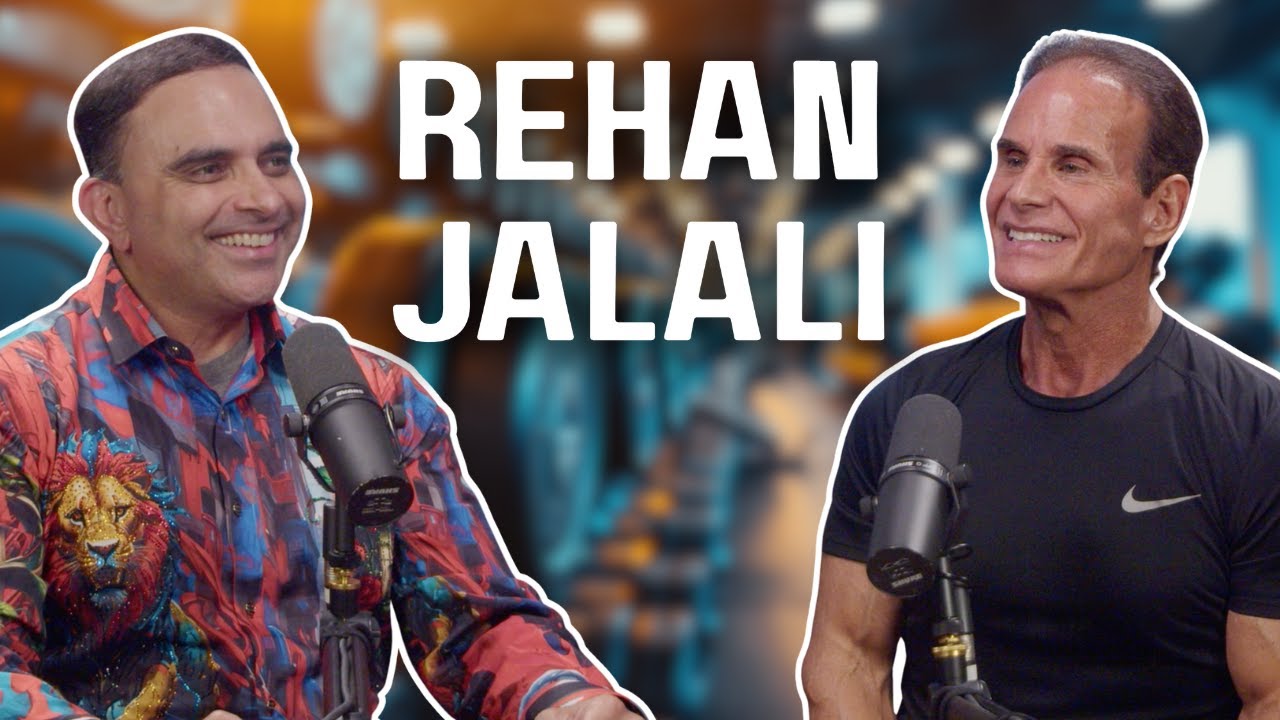
Mike Torchia has a firm view on how to get a smaller waist, and it starts with the ab work most people add. He laid it out on the August 6, 2025 episode of Live Well and Thrive with Rehan Jalali, whom he introduced as a certified fitness and nutrition expert and the author of The Six Pack Diet Plan. Most of it came from the champions Mike trained with in the Golden Era. A second conversation backs it up: the bodybuilder Robby Robinson, on a 2024 episode, told Mike how he has kept his own waist narrow.
What follows is what these men do and why, in their words. It is their experience from decades of training, not a study, and it is narrower than most advice on the subject. It is about the muscle side of your waist.
How to get a smaller waist: stop loading your abs
Mike says people write to him regularly to argue with this rule, and his answer is a story. For several summers he trained with Serge Nubret, a champion he remembers for having “the teeniest waist.” Nubret pointed at the bodybuilders around them and told Mike to look at how wide their hips and waists had become. His instruction was short: never do weighted sit-ups.
The reasoning Mike passed on is simple. The abs and obliques are muscle, and loaded muscle grows. Nubret’s line, as Mike recounts it:
Whether it’s fat or muscle, it’s a wider waistband.
Mike says Arnold made the same point to him with a question. If you trained your biceps every single day with weights, what would happen? Mike’s answer was that they would get smaller, from overtraining. The lesson, in Mike’s telling, was that abs trained daily without weights shrink rather than grow. Mike says Arnold and the other champions he knew all kept weight off their ab work.
So the answer to weighted ab exercises, on this episode, is not a different weighted ab exercise. It is none at all, if a narrow waist is the goal. That is a bodybuilder’s rule about proportion, built on watching waists for decades, and it runs against some of the gym advice you will hear.
Side bends and heavy pulling can widen the waist
The second habit Mike targets is the side bend, which he says he sees people doing all the time in the gym. Side bends thicken the obliques, in his view, and thicker obliques mean tighter pants or a tighter skirt, whatever you wear. If you have been doing dumbbell side bends to trim your sides, Mike’s position is that you are building the very thing you want to lose.
Robinson told Mike a story from his own training that points the same way. His wider story, including how he still trains, is in our post on building muscle after 70; here it is only his waist. He said you can have a genetically small waistline and still change it with what you lift. When he went heavier on deadlifts, he noticed his waist change. When he dropped the heavy deadlifts and went back to hyperextensions, it returned to where it had been.
That is one man’s experience with one lift, and it is not a reason to stop deadlifting. It is a reason to watch your waistline when you add load to anything that works the midsection, and to adjust when it moves. Mike, sitting across from him, described Robinson’s waist as narrow still, and said it has never gotten wider.
Hanging leg raises, worked from the lower abs
If the weight comes out, what goes in? Mike’s routine is two movements, and he keeps it short.
I only do three sets of crunches and three sets of very controlled hanging leg raises.
The cues he gives for hanging leg raises came from Nubret too. Keep the hip flexors out of it: the work has to come from the lower abdominals. Move with control. And know which muscle you are contracting while you do it. Connect the mind and the muscle, Mike says, and the abs follow. That is the whole instruction on the episode. It gives no reps beyond the three sets, no tempo, and no progression, and this post does not add any.
Robinson’s favorite is the same movement, and his reason is about his back as much as his abs.
Especially the hanging leg raises, that’s my favorite, because it opens up the spine.
He also does a lot of lying leg raises. If a hanging leg raise is beyond you today, the next step is a question for whoever builds your program. Neither episode covers easier versions, and guessing at one is how backs get hurt.
How often should you train abs? Often, light, and first
Mike’s answer is every day you train with weights. Not as a separate session, but at the start, as part of the workout. He calls it a warm-up, and he says it protects his back.
It’s like having a natural lifting belt.
Robinson’s schedule is close: four days on, one day off. He also trains them first. If he comes into the gym cold, he does leg raises until his body is warm, and then he starts the workout. Two men who trained through the Golden Era arrived at the same habit: abs early, often, and without plates.
The volume is where they differ, and Robinson’s number is his alone. He says he averages about 1,500 reps a day, mostly leg raises. That is what one lifelong bodybuilder does, not a starting point for you. For most readers, Mike’s routine is the more useful reference, because his whole ab routine is six sets. He says he still has his six-pack and keeps his waist narrow on it.
If you came here asking how to get a six pack, this is the episode’s honest answer: the ab work is small and steady. The rest of the answer is body fat, which is a food and conditioning question.
A smaller waist is also a symmetry question
Jalali took the conversation wider. A waist looks narrow or wide partly because of what surrounds it. He said many people train only what they see in front of them, and end up with no rear delts, no traps, no rhomboids, and no erector muscles. The mirror shows the chest and the abs; the back half of the body goes untrained.
Mike’s answer is balance. He described writing a program, seeing one muscle group run ahead, and cutting it back while adding shaping work where the body lags, so the proportions come right. Symmetry is the most important, he said, and a narrow waist is one part of it.
The program has to keep changing, too. Jalali said he varies programs even for clients he has trained for 15 or 20 years, because the body adapts and settles into homeostasis. He added that when he had his leanest midsection, sprints were the only cardio he did. That sprint material, and how both men use it, is covered in the post on cardio before or after weights.
As for the fat side of the waistband, Nubret’s line covers it: wider is wider. Jalali’s point from the same episode is that an eight-pound jump after one big night out cannot be fat, so do not let the scale talk you out of the plan. What he does with food is in our post on what a sports nutritionist does.
How this fits the way Operation Fitness works
Mike closed the passage with a warning about advice from people who say they tried something. Your body is different, he said, and your genetic makeup is different, so you need a trainer who will work with you and adjust as you go. That is the rule behind every rule above.
It is also how Operation Fitness builds a program. It starts with testing, it is designed by Mike, and his team delivers it, with the program adjusted as your body changes rather than repeated until it stops working. If the waistband is what brought you here, the programs page shows how that plan is put together.
Where to go from here
Watch the full episode with Rehan Jalali on YouTube. See how training and nutrition are combined on the programs page. If your waist is moving the wrong way and you want a plan built for your body, book a consultation and start with where you are now.
QUESTIONS PEOPLE ASK
How often should you train abs?
Mike Torchia trains his every day he trains with weights, at the start of the session, with no added load. Robby Robinson, on a separate episode, trains his four days on and one day off, also first, as a warm-up. Both men are describing their own long practice, not a formula from research. How often is right for you depends on your program, your back, and what the rest of the week asks of you.
Do obliques make your waist wider?
In Mike's view they can, if you load them. He says side bends thicken the obliques, and thicker obliques mean tighter pants or a tighter skirt. The rule he took from the Golden Era champion he trained with is that a wider waist is wider whether the cause is fat or muscle. That is a bodybuilder's observation about proportion, not a study, but it is why Mike leaves side bends out of his own training.
How do you fix muscle imbalances?
Rehan Jalali said on the episode that many people train only what they see in front, and end up with no rear delts, traps, rhomboids, or erector muscles. Mike's fix is a trainer who watches the proportions and adjusts: cut back the part running ahead, add shaping work where it lags. Neither man gave a set protocol, because their point was that the answer depends on your body.
How often should you change your workout routine?
Neither man gave a fixed interval. Rehan Jalali said he varies programs for clients he has trained for 15 or 20 years, because the body adapts and settles into homeostasis, and that a program that worked for someone five years ago may not fit them now. Mike's version is to adjust as you go. The trigger, in both accounts, is what the body is doing, not the calendar.
KEEP READING