Building Muscle After 50: Clark Bartram's Rules for the Gym
Building muscle after 50 is a method, not a miracle. Clark Bartram told Mike Torchia what he changed: half the weight, slower reps, and an 8:00 bedtime.

You are 55. You want some muscle back, and you are not sure the offer still stands. The last time you trained seriously your knees did not have an opinion, and the program you remember was written for a body twenty years younger.
Mike Torchia hears the question in almost those words from new clients: I want to put on some muscle, but I’m 55 years old. Is it possible? Building muscle after 50 is possible. What changes is how you go about it, and most of the advice online is aimed at people half your age.
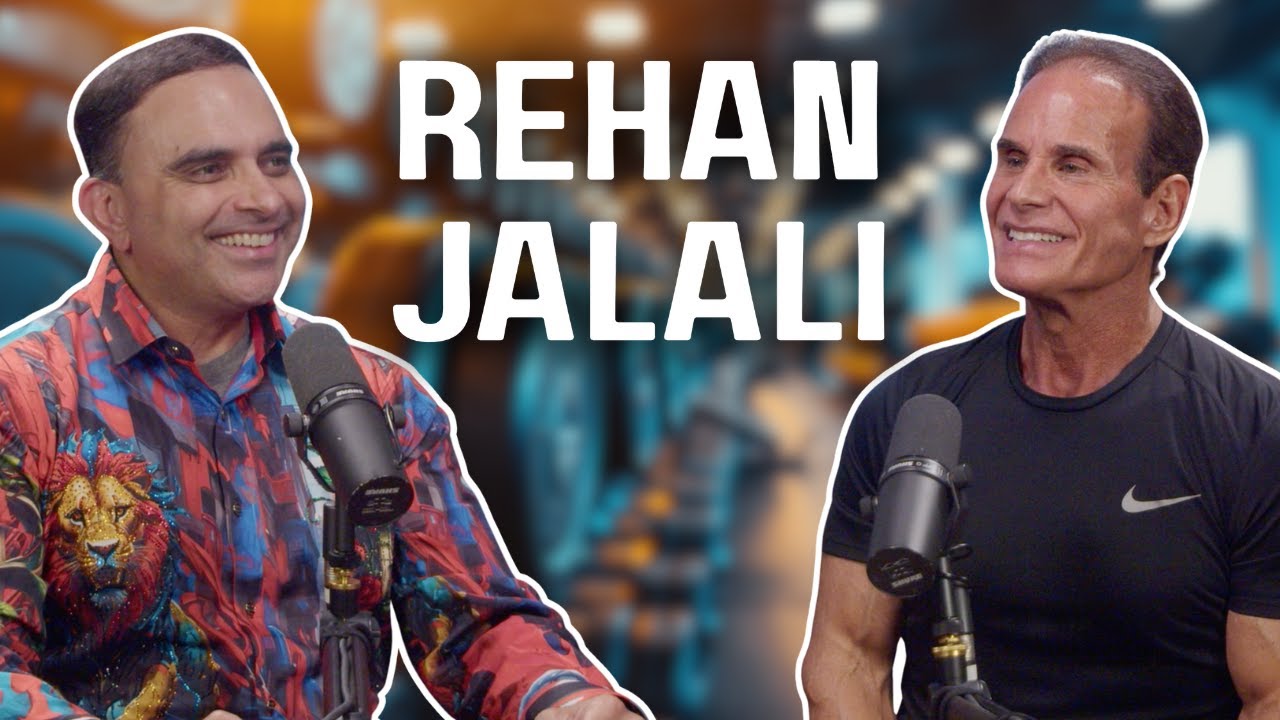
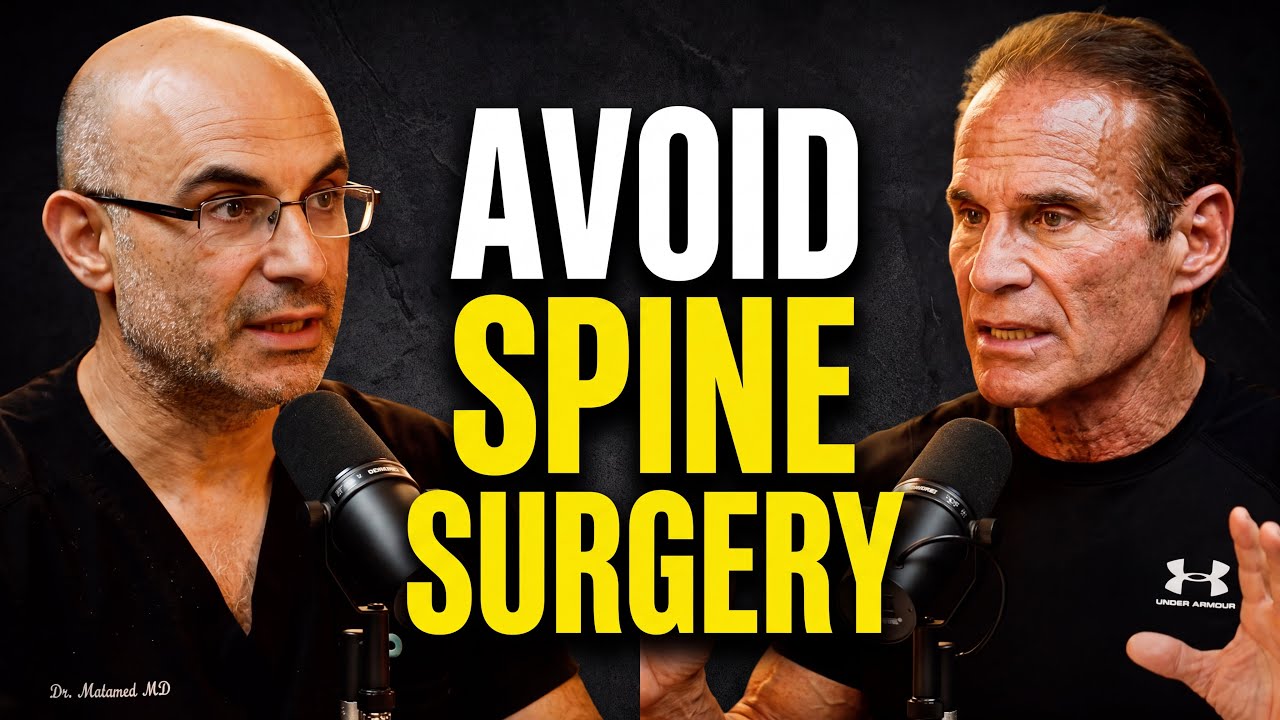
On the June 10, 2024 episode of Live Well and Thrive, Mike sat down with Clark Bartram, a former Marine whom Mike introduced as having appeared on more than 130 fitness magazine covers. Bartram now coaches men over 50. The two of them have been training for decades each, and they agreed on nearly everything. This post pulls out the rules.
Building muscle after 50 starts with a decision
Bartram’s clients tend to arrive believing the window has closed. He tells them it has not.
It’s never too late, you’re never too old, you’re not too far gone.
The rest of that sentence, as he said it, is that it comes down to making a choice and being consistent with it. His complaint is about what happens next. People do not see a result in the first few weeks, so they buy the next ebook, hire the next trainer, or join the next gym. His view is that the method is simple and the hard part is staying.
What keeps him going is not complicated either. He called it pride. You get one body, he said, and you have the privilege of living in it. Both men have noticed the same shift in how strangers respond to them. People used to say the physique was incredible. Now they say it looks great for your age, which Mike called the worst compliment there is. The two of them take it as kindly meant and train anyway.
Cut the weight in half and slow the repetition down
Bartram told Mike about a post that got him attacked online. He had written that sets and reps do not matter. His point, which most of the replies missed, was about attention.
They’re thinking about the 10th rep before they think about one through nine.
He says he could take most of the people he sees in a gym, cut their weight in half, slow their repetitions down, and get them as good a result or better. The tool is the mind muscle connection: putting your attention inside the muscle that is supposed to be working, for every repetition, instead of on the number you are chasing. Lifters often call the slow version of this time under tension. Bartram did not use the term, but it is what he was describing. The mental side of the same skill is covered in what a mental performance coach does.
He applies the rule to himself first. “If I have to go half the weight and lift the weight a whole lot better,” he said, “I’m willing to do that.” He added that he does not care what anyone in the gym thinks of the plates on his bar. For building muscle after 50, that trade is most of the method.
He was also blunt about one lift. Everybody seems to be deadlifting now, he said, and he is not sure the risk and the reward line up. He noted that even some powerlifters would agree. He did not tell anyone to stop. He said to ask the question.
The form rules both men learned early
Neither man got this from a trend. Mike says that at 19, after he won the Teenage Mr. America, the equipment designer Arthur Jones flew him to Florida to train with Casey Viator and Dr. Ellington Darden. The place was a research lab more than a gym, full of prototype machines that were never released. One door was marked do not enter. Mike opened it, found Jones’s pet alligators coming toward him, and closed it fast.
What he took home was the standard. Every repetition had a set speed, and Jones corrected anything done too fast or too slow. Mike says he trained less that year than he ever had and won the Collegiate Mr. USA at the end of it.
Bartram came up on the same equipment in the 1980s, on a circuit at a family fitness center: 12 to 15 repetitions on the lower body, 8 to 12 on the upper body, once through, done. He says he has structured his training more or less that way ever since. Mike’s adjustment is to let the day decide. Some days call for more sets, some for fewer. The constant is that the muscle is challenged with clean form.
Sleep is the part of the program that changed
Mike asked the question a lot of men over 50 want answered. When you noticed your body changing, what did you do? Train more? Eat differently? Bartram’s answer was neither.
I embraced sleep more than I ever have in my life.
If building muscle after 50 has a hidden variable, this is it. He has a bedtime, 8:00, and he keeps it. He says he is asleep by 8:06 and sleeps through the night. In his view recovery has been the single most important thing, more than any change to his training. If your nights are the weak link, the method Mike uses is in how to fall asleep faster.
The sleep is also why the sessions can be short. Bartram says he is in and out of the gym in 20 to 30 minutes when he is not doing cardio, and that he is more efficient than he has ever been. Mike has watched him do it. He described Bartram as a shark, moving from one machine to the next, never picking up a phone.
Heavy weight has an expiry date
Mike told a story against himself. At his strongest, in his late twenties, he benched 505 pounds for three repetitions. He says he knew at the time it was for a period of his life and no longer.
His reasoning is what he sees in the gym now: big, strong lifters in elbow wraps, knee wraps, and belts pulled tight, training through pain to keep moving the heaviest weight they can. Mike’s view is that after 30 your joints are not what they were, and that the load has to come down before the joint makes the decision for you. Lighter loads can still build. One method for that is covered in blood flow restriction training.
Bartram made a similar choice early. He says he could have chased size, and he chose to be ready for a photo shoot at any time instead. He recalled hearing a bodybuilder say he would call the next time he was in shape, and thinking: what if I am always in shape? That became his career.
The blood test Bartram wants men his age to ask about
Near the end, Bartram asked for a minute to say something that had nothing to do with lifting. About nine months before the episode he was diagnosed with prostate cancer. He had no symptoms. It turned up in blood work with his concierge doctor, when he was looking at something else.
He now runs a nonprofit and uses every platform he is given to tell men to ask about a PSA test. His phrase for the result was “a check engine light”: not a verdict, a reason to look further. Bartram called himself the last guy anyone thought would get that news, which is his reason for saying it out loud.
This is Bartram’s own story, shared by him. The decision about testing belongs to you and your physician.
How this fits the way Operation Fitness works
Mike believes that what people call aging is mostly conditioning, and this episode is two men making the case with their own bodies. It also shows why Operation Fitness starts with testing. Bartram looked and felt like the fittest man in the room, and the blood work still found something the mirror could not.
Bartram customizes every program he sells. So does Mike, who calls that the difference: every program is built for one person. At Operation Fitness that program is designed by Mike, delivered by his team, and adjusted as your results come in. The tiers are on the programs page.
Where to go from here
Watch the full episode with Clark Bartram on YouTube. See how Operation Fitness builds a program around your body and your blood work on the programs page. If you are past 50 and want to know what is realistic for you, book a consultation. Mike replies to everybody.
QUESTIONS PEOPLE ASK
Can you build muscle after 50?
Clark Bartram's answer on the episode is yes, and he coaches men over 50 for a living. His words: it is never too late, you are never too old, you are not too far gone. What he says changes is the method. He lifts lighter, slower, and with full attention on the working muscle, sleeps more, and stays consistent long after the first month. Ask your physician before starting a new program.
How long should a workout be after 50?
Bartram says he is in and out of the gym in 20 to 30 minutes when he is not doing cardio, and that he is more efficient now than at any point in his life. Mike describes him moving from one machine to the next without picking up a phone. Neither man gives a universal number. Their shared point is that focus and recovery matter more than time on the floor.
How many sets and reps build muscle?
Bartram's view is that the count matters less than people think. He learned on a circuit of 12 to 15 repetitions for the lower body and 8 to 12 for the upper body, once through, and still structures his training that way. What he changes for most lifters is the quality: slower repetitions, about half the weight, and attention on the muscle instead of the number.
What is a PSA test, and why did Clark Bartram bring it up?
A PSA test is a blood test. Bartram told Mike he was diagnosed with prostate cancer about nine months before the episode, with no symptoms, after routine blood work ordered by his concierge doctor. He calls the PSA result a check engine light: a signal to look further, not a diagnosis. His message to men his age is to ask their own physician about it. That is his account, not screening advice from this site.
KEEP READING