Can You Take Too Many Supplements? Mike Torchia's Test-First Rule
Can you take too many supplements? Mike Torchia and Pav Dharwarkar on the 32-pill stack, the sleep-stack trap, and the blood test that decides what you add.

The cabinet started with one bottle. Something for sleep. Then something for energy, because the mornings were slow. Then focus, digestion, the knee. Each one made sense on the day you bought it.
Now you count them out every morning, and a question has started to nag. Can you take too many supplements? Is the stack helping, or is it part of why you feel off?
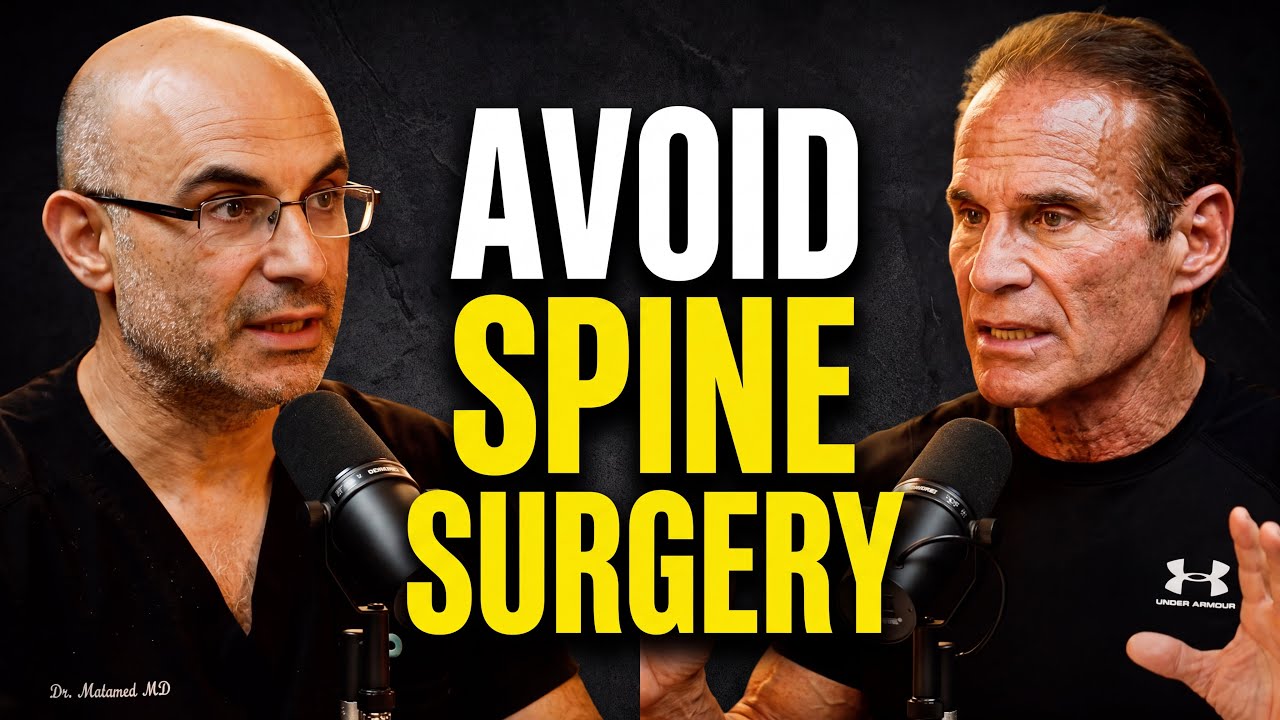
Episode 14 of Live Well and Thrive spends a good part of its 25 minutes on that question. Mike Torchia’s guest is Pav Dharwarkar, an entrepreneur and a friend of five or six years. How Pav runs his own week is covered in the post on executive health without the quick fix. This post takes the supplement argument and follows it all the way through. Everything below is two men’s views, attributed to the man who said it. None of it is a prescription.
Can you take too many supplements? Pav’s friends are the case study
Mike opens with a conversation the two had over dinner at Craig’s. Pav had described men he knows who follow health shows on YouTube and take, in Mike’s retelling, something like 32 different supplements: one for sleep, one for energy, one for focus, one for digestion, one for joint pain. Mike’s phrase for the result is overloading your system.
Pav fills in who these men are. Most of his friends are in their mid-forties with, as he puts it, all the disposable income in the world. They end up on cocktails of substances, some organic, some not, and by Pav’s account not FDA regulated. Then the trouble starts. Sleep issues come first. Then comes the work of figuring out what works and what does not, and then another issue on top of that.
The part Pav stresses is the one a supplement stack never comes with instructions for. His friends, he says, do not know how all of these things interact. Under it sits a motive he names directly.
They’re searching for a quick fix, and there’s no such thing as a quick fix.
So can you take too many supplements? The episode’s answer is yes, though neither man gives a number. The line they draw is a different one. You have crossed it when you cannot say what each pill is for, what it does next to the others, or whether your body was short of it in the first place.
Sleep supplements show how a stack gets out of hand
Mike’s worked example of how you can take too many supplements without noticing is sleep. A health show ran a segment on sleep supplements, he says, and listed what might help: glycine, tryptophan, melatonin, magnesium, calcium. The host offered them as options. Mike says he checked with people who follow that show, and most of them took all of it, without knowing their own biology. After that, he says, you cannot tell whether any of it is helping.
Then comes his argument, and it is an argument, not a lab finding. In Mike’s view your kidneys and liver are filters. Pile on a stack and, as he sees it, they overwork, the pancreas overworks with them, and the whole thing could disrupt your body without giving you any more sleep. That is his reasoning after forty years around training and nutrition. The episode cites no study for it, so take it as his opinion and take the question to your physician. His complaint about the people selling the stack is shorter: “They never mention anything about adverse effects, because they’re marketers.”
A few minutes later he asks the question the sleep stack does not answer.
You have to keep taking all those pills every single day. When do you stop?
His worry is dependence. The body gets used to the pills, he says, and then you do not sleep without them. He does not claim to know how fast that happens or which ingredient drives it, and he singles out none of the five. A stack with no exit is a habit, not a fix. Mike’s own evening routine uses no pill at all, and it is laid out in how to fall asleep faster.
How to know what supplements to take: test first
If you are asking how to know what supplements to take, Mike’s answer starts before the store. Get a comprehensive blood test. He calls it your road map. The panel shows where you are deficient, and his example is vitamin D3, which he describes as a hormone people do not understand. He names DHEA in the same breath.
The second step is a person. Mike’s instruction is to take the results to a nutritionist or a doctor who knows supplementation. If your body does not make enough of something, he says, you supplement it, with someone advising you so that you do not over-medicate. His reason for the caution is the plainest line in the episode.
Vitamins are just over-the-counter drugs. That’s it.
He adds a condition on the adviser: someone with a background in body chemistry who is not trying to sell you a product. That is the whole method. A blood test for supplements, an adviser with nothing to sell, and only the gap filled. Mike gives no doses on the episode, and this post adds none. Which tests to run, and how often, is a conversation for you and your physician.
Supplements for men over 50 are sold against the clock
Mike has a picture for the industry. Years ago, he says, men drove around in a wagon selling snake oil. In his telling it hasn’t stopped. They have a different way of doing it now: sign up for this, the greens, the powders.
Pav’s point is that the sellers have become better at convincing you, and that they are most convincing at a particular age. He puts the window at 45 to 55, when you are trying to beat the clock. That, he says, is when they get you with the storytelling: scattered facts brought together into one beautiful story. It may be backed by science, in his words, but it is not fully backed by science.
All of a sudden you’re ingesting all of this stuff, whereas your body may not need it.
If you have searched for supplements for men over 50, you are standing in the window Pav describes. The episode does not hand you a list for your age, and that is deliberate. The answer for a man in that window is the same one as above. Test first. Then add what the panel calls for and nothing else.
Mike turned down the chance to be the face of a pill
Mike held bodybuilding titles, Mr. California among them, and he says he never used them to front a product. One offer stayed with him. A man building a weight-loss supplement company told him he could be the face of it.
Mike says he looked at what was in the product and told the man what he saw: nothing but diuretics and high amounts of caffeine. He warned him that people could have heart attacks and strokes, and that dehydration would make it worse. The man waved it off and took the product to market under a catchy name. Mike’s answer to the money he passed up was that he did not need it. He would not be involved, he says, in anything that could hurt people. He does not name the man or the product on the episode, and neither does this post.
He follows it with an older memory: a liquid protein diet from years ago. In Mike’s recollection, people living on liquid protein were not getting electrolytes, became extremely dehydrated, and some had heart attacks and strokes. Nobody knew until after the fact. That, he says, is why he built the show: sensible advice backed by studies, universities, research groups, or doctors who know the subject.
What Mike and Pav take today is tested, not guessed
If you can take too many supplements, how many do these two men take? Very few. Mike says the only supplements he takes are the ones his blood test shows he is low in, and only what he needs on top of that. He describes everything else he does as holistic and natural, with no shortcuts and no reliance on supplementation. One thing he uses instead of a stack is red light, which has its own page: the Trifecta bed.
Pav takes no supplements at all. He eats real food, as close to the ground as he can get it. Anything packaged makes him a little wary, and he asks what makes it last so long.
This is the order Operation Fitness works in. Tested, not guessed. A program starts with testing and a health history, Mike designs it from the results, and a specialist on his team delivers it and adjusts it over a season. There is no supplement subscription waiting at the end of it. If the snake-oil wagon sells you a story first and a bottle second, this runs the other way: your numbers first, then the work. The programs page shows how each tier is built.
Where to go from here
Watch the full episode with Pav Dharwarkar on YouTube.
See how a program here starts with testing on the programs page.
If you are still asking whether you can take too many supplements, and you want a second opinion on your own stack before you buy another bottle, request a consultation. Mike replies to everybody.
QUESTIONS PEOPLE ASK
How do you know what supplements to take?
Mike's method on the episode is to test before you buy. A comprehensive blood test shows where you are low; his example is vitamin D3. Then a doctor or nutritionist who understands supplementation, and who is not selling you a product, advises on filling that gap. Mike says he follows it himself and adds only what his panel calls for. He gives no doses, and neither does this post.
Is it bad to take melatonin every night?
The episode gives no verdict on melatonin. It comes up once, as one of five ingredients in a sleep stack Mike describes. His concern is the whole stack taken nightly: you have to keep taking the pills, your body gets used to them, and then, in his view, you cannot sleep without them. His question is when you stop. Whether nightly melatonin is right for you is a question for your physician.
Do fat burners work?
Mike tells one story. He was offered the chance to front a weight-loss supplement and refused because, by his account, the formula was diuretics and high amounts of caffeine, a mix he warned could cause heart attacks and strokes. He also recalls a liquid protein diet from years ago that, in his telling, left people dehydrated. His position is to stay away. The episode cites no study on fat burners.
Are supplements regulated by the FDA?
Pav Dharwarkar's statement on the episode is that the supplement cocktails his friends take are not FDA regulated. That is his description of the problem, in one sentence, and the conversation does not go into how the agency treats supplements. His practical point stands apart from the legal one: a marketer pitches the upside only, so you should ask a doctor about the downside before you add anything.
KEEP READING